Game libraries can be impressive without being easy to navigate. On lussurio casino, the published catalogue spans table games, slots, live-dealer rooms, instant-win titles and other formats, so the practical challenge is choosing a suitable starting point rather than simply counting available games. Canadian players can approach that variety by comparing game mechanics, pace, information shown before play and whether a title appears designed for entertainment or a specific style of decision-making. A clear browsing method also makes it easier to avoid choosing solely because a game has a large jackpot or an attractive theme.
Start with the type of decision-making you enjoy
Blackjack is generally more interactive than a slot because the player makes decisions during each hand. Choosing whether to hit, stand, split or double creates a sense of participation, although those decisions do not guarantee a favourable result. Standard blackjack, live-dealer blackjack and variant tables may differ in rules, side bets, pace and presentation. Before selecting a table, read the displayed rules rather than assuming that every blackjack game uses the same number of decks or payout conditions.
Roulette offers a different kind of involvement. Players select numbers, colours, groups or other betting areas, then wait for the wheel outcome. The main choice is the wager itself, not an action taken after the ball is released. Baccarat is similarly straightforward, with the player typically choosing between available outcomes rather than controlling a long sequence of decisions. These formats may suit someone who wants simple rounds and easily understood betting options.
Video poker sits between slots and table games. The initial hand is dealt automatically, but the player chooses which cards to keep before the draw. That decision-making can make the format appealing to people who want a compact game with some control over the process. Poker variants, dice games, bingo and keno offer other structures, each with different levels of interaction. A useful first question is not “Which game is best?” but “How much involvement do I want in every round?”
Match the pace to the time you have available

Game speed changes the way a session feels. A standard slot can move quickly from one spin to the next, while a live-dealer table includes pauses for dealing, betting and conversation. Fast games can make a short session feel convenient, but they can also encourage more rounds in less time. Slower formats create natural pauses, which may make it easier to stop and review how long you have been playing.
Live casino categories commonly include dealer-hosted blackjack, roulette, baccarat, poker variants and game shows. Their video presentation can make the experience more social and immersive than an automated table. The trade-off is that a live table may have minimum stakes, scheduled dealing rhythms or limited seating at busy times. Those conditions should be checked in the game information instead of inferred from the title alone.
Instant-win, scratch-card and crash-style games usually place the outcome close to the wager, but their formats are not interchangeable. Some require a single selection, while others display changing multipliers or several stages. If you prefer a slower, more deliberate experience, consider blackjack, video poker or a live table. If you have only a brief entertainment window, a simple game may be easier to understand, but set a stopping point before beginning rather than relying on the game’s pace to provide one.
Use categories and providers as filters, not guarantees
A large catalogue becomes more manageable when you combine two filters: game type and provider. Selecting “blackjack,” “live casino” or “progressive jackpot” can narrow the field before you examine individual titles. Provider names can also help you recognize studios whose visual style or mechanics you already understand. However, a familiar supplier does not mean every game has identical rules, volatility or payout structure.
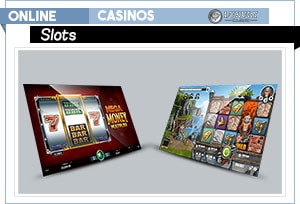
Slot categories may include classic reels, video slots, jackpot titles and branded or themed releases. Two games with similar graphics can still differ substantially in bonus features, paylines, maximum win displays and frequency of smaller outcomes. Look for the information panel, paytable and rules screen before playing. These details usually explain symbols, special features and eligible combinations more reliably than promotional descriptions.
Provider browsing is particularly useful when a catalogue contains thousands of listed titles. It lets you compare a smaller group without treating the total number as evidence of quality. The same principle applies to live-dealer suppliers: a named studio may offer several tables with different limits, rule sets or presentation styles. Treat filters as a discovery tool, then inspect the individual game. Neither a provider label nor a jackpot banner proves that a title suits your budget, patience or preferred level of involvement.
Read the game information before choosing a table
For blackjack, check the rule summary carefully. Important details can include the number of decks, blackjack payout, dealer action on soft hands, doubling restrictions, split rules and whether insurance or side bets are available. Small rule changes can affect the mathematical house advantage. If the game does not clearly display its rules, it is sensible to choose another listed title or ask support where the information can be found.
For roulette, identify the wheel type and the available betting layout. A European-style wheel and an American-style wheel do not have the same number of pockets, so the format matters. For baccarat, examine the payout information and any commission or special bet terms. For video poker, read the paytable for the exact variation. The title alone may not tell you whether the game is a familiar version or a modified one.
Responsible play also belongs in the selection process. Before exploring unfamiliar formats, set a spending and time boundary that you can afford to lose. The Responsible Gambling Council’s public information provides general guidance for people considering gambling-related decisions in Canada. Game discovery should remain entertainment, not a way to earn income or recover previous losses. If a format feels confusing, unusually fast or difficult to stop, selecting something simpler—or ending the session—is a reasonable choice.
Build a shortlist instead of chasing variety
A practical shortlist might contain one familiar game, one slower alternative and one title that offers a different type of interaction. For example, a player could compare standard blackjack, a roulette table and a low-complexity slot. This approach makes it easier to notice which formats are genuinely enjoyable without switching constantly between dozens of options. It also reduces the temptation to interpret every new release as something that must be tried immediately.
Keep a separate note of the features that matter to you: clear rules, a comfortable pace, suitable stakes, accessible history information or a preferred presentation style. Avoid using a short trial to claim that a game has a particular long-term return or that a winning pattern exists. Random outcomes do not become predictable simply because a title has been played for a few minutes. Likewise, a jackpot display indicates a possible prize structure, not a likely result.
Finally, review the operator’s current terms for any restrictions affecting game categories, promotions or account use. Published material indicates that bonus-funded play may not contribute equally across live dealer, instant-win, crash and other categories, and exact conditions can vary by offer. That makes it important to distinguish ordinary game browsing from promotional play. Choose the title first, understand the applicable terms, and only then decide whether it belongs in your planned session.
Questions about browsing casino games
Which game is easiest for a new player to understand?
Simple roulette, baccarat or a basic slot may be easier to follow because each round has a limited number of choices. Blackjack is also accessible, but its rules require more decisions. Read the help screen first, begin with the lowest comfortable stakes and avoid side bets until you understand the main game.
Are live-dealer games better than automated versions?
Neither format is automatically better. Live tables may feel more social and show a real dealer, while automated games are usually more immediate and may offer broader availability. Compare the rules, pace, table limits and interface. Choose the format that fits your preferences rather than assuming presentation changes the underlying odds.
Does a larger game catalogue mean more value?
Not necessarily. A large catalogue provides more ways to filter by theme, mechanics, provider and pace, but it does not guarantee better outcomes or more suitable games. Focus on transparent rules, understandable stakes and a format you can stop easily. Variety is useful only when it improves your ability to choose deliberately.