How Righteous Clothing Connects To Current Street Style Trends
By 2026, streetwear has divided into distinguishable lanes: minimalist high-end staples, over-the-top printed launches, utility-driven tech apparel, and a growing appetite for clothing with a message. We Are Righteous sits at the intersection of the last two categories, building a brand identity around faith-driven statements without abandoning the silhouettes and fabric weights that streetwear shoppers already expect. Understanding where Righteous clothing fits means looking at what’s actually driving purchase decisions right now — comfort-first construction, cultural or personal meaning stitched into the product, and pieces flexible enough to move from a gym session to a coffee run without looking out of place.
This shift away from pure logo-chasing toward apparel built around identity is one of the clearer trends molding the category. Search traffic in terms like “faith-based streetwear” and “Christian streetwear brand” has grown steadily over the past two years, and Righteous apparel is placed right at the center of that demand curve. Rather than treating faith as a niche add-on, the brand treats it as the guiding framework behind fit, palette, and voice — which is a different approach than simply printing a scripture reference on a stock blank hoodie.
The Rise of Concept-Rich Streetwear Took Hold
During the majority of the 2010s, street-fashion clout was gauged almost entirely by buzz waves and drops built on artificial scarcity. That model hasn’t vanished, but it’s no longer the only path to relevance. Buyers in 2026 are growing louder about craving clothing that reflects their identity, not just what they can access. A label such as We Are Righteous carves out its niche right in this space — apparel that puts values ahead of chasing trends.
When researching budget-savvy fashion brands, shoppers consistently point to six distinct elements before they commit to buying:
- Whether—at its core— the message on the item feels authentic as opposed to purely ornamental
- Cut and fit and cloth substance measured against price point
- Brand transparency about supply-chain and manufacturing practices
- Consistency of size grading across a product line
- Prominence righteous tee of authentic customer reviews as opposed to handpicked endorsements
- Versatility — does the item work outside of one specific “aesthetic” moment
These same six points keep coming up throughout righteous review threads on social media, indicating that the brand is held to the same scrutiny shoppers use for any streetwear label, faith-based or not. This is a substantial change from a 10-year span ago, when religious or message-driven apparel was often dismissed as a gimmick niche instead of evaluated based on build quality and design value.
Where the Righteous Hoodie Ranks Within the Broader Lineup
The hoodie remains the anchor piece of nearly every streetwear brand’s lineup, and Righteous is no exception. A hoodie functions as a brand’s most visible ambassador — it’s worn more often, photographed more often, and layered more often than almost any other garment in a closet. The Righteous hoodie fits into this pattern by serving as the flagship item shoppers reference most when they talk about the brand online.
What separates a hoodie that performs well in 2026’s market from one that fades quickly comes down to a short list of expectations: a fit that works oversized or true-to-size depending on styling intent, fabric substantial enough to hold shape through repeated wear, and graphics or text placement that reads intentional rather than an afterthought. Streetwear consumers have become fluent in spotting the difference between a garment designed around its message and one where the message was slapped onto an existing template.
Relative to where things stood five years ago, the broader hoodie market has also shifted toward denser builds and more oversized shapes, a trend that traces back to workwear and archival sportswear influences merging with streetwear. Brands that adapt their hoodie silhouettes to reflect that shift usually keep their edge longer than those clinging to slimmer, older cuts.
Positioning Across the Streetwear Culture Sphere: An Evaluation
To understand how We Are Righteous compares to other categories operating in the same general space, it helps to look at positioning rather than direct brand-to-brand pricing, since exact figures vary by drop and season. The table below breaks down general category tendencies as observed across the current streetwear market in 2026.
| Category | The Key Value Driver | Typical Messaging Focus | Typical Buyer Driver |
|---|---|---|---|
| Streetwear built around belief (for example, Righteous clothing brand) | Belief and identity conveyed through garments | Sacred text, inner conviction, and belonging | Displaying values, not just style |
| Hype/branded streetwear | Exclusivity and brand cachet | Emphasis on visible logos and collab releases | Status signaling |
| Functional tech streetwear | Design built around utility | Functionality, protection from elements, and modularity | Everyday utility |
| Pared-down essentials | High-grade material and a minimal silhouette | Understated branding | Durability and adaptability |
This comparison shows Righteous apparel isn’t competing head-to-head with techwear or minimalist basics on their own terms — it’s carving a lane that borrows structural cues from mainstream streetwear while keeping message and identity as the core differentiator. That dual positioning is precisely why the brand shows up in conversations both about “faith apparel” and about general streetwear recommendations.
Genuine Shopper Reviews, Straight Up
Any fair candid glance at how a brand aligns with the trends of the moment has to reckon with authentic shopper opinion, not just brand messaging. A typical We Are Righteous review generally centers on three persistent themes: how the fabric’s feel measures up to what the price point suggests, how the sizing stacks up against typical streetwear norms, and whether the graphic backed up the message it’s meant to convey. First-time buyers looking into a We Are Righteous purchase are often coming from either a values-based search — looking specifically for Christian or faith-driven streetwear — or a generic streetwear search where the brand showed up because of social discovery.
The two paths in matter, though for distinct reasons. This faith-driven buyer is typically less price-sensitive but more scrutinous about authenticity; they want to know the statement isn’t merely a promotional gimmick. The mainstream streetwear consumer is weighing the brand against a larger pool of labels purely on design and construction merit, not especially moved by the spiritual messaging unless the visual style draws them in initially. A brand that can satisfy both audiences without diluting its identity for either one has a structural advantage that’s not easily matched by competitors in short order.
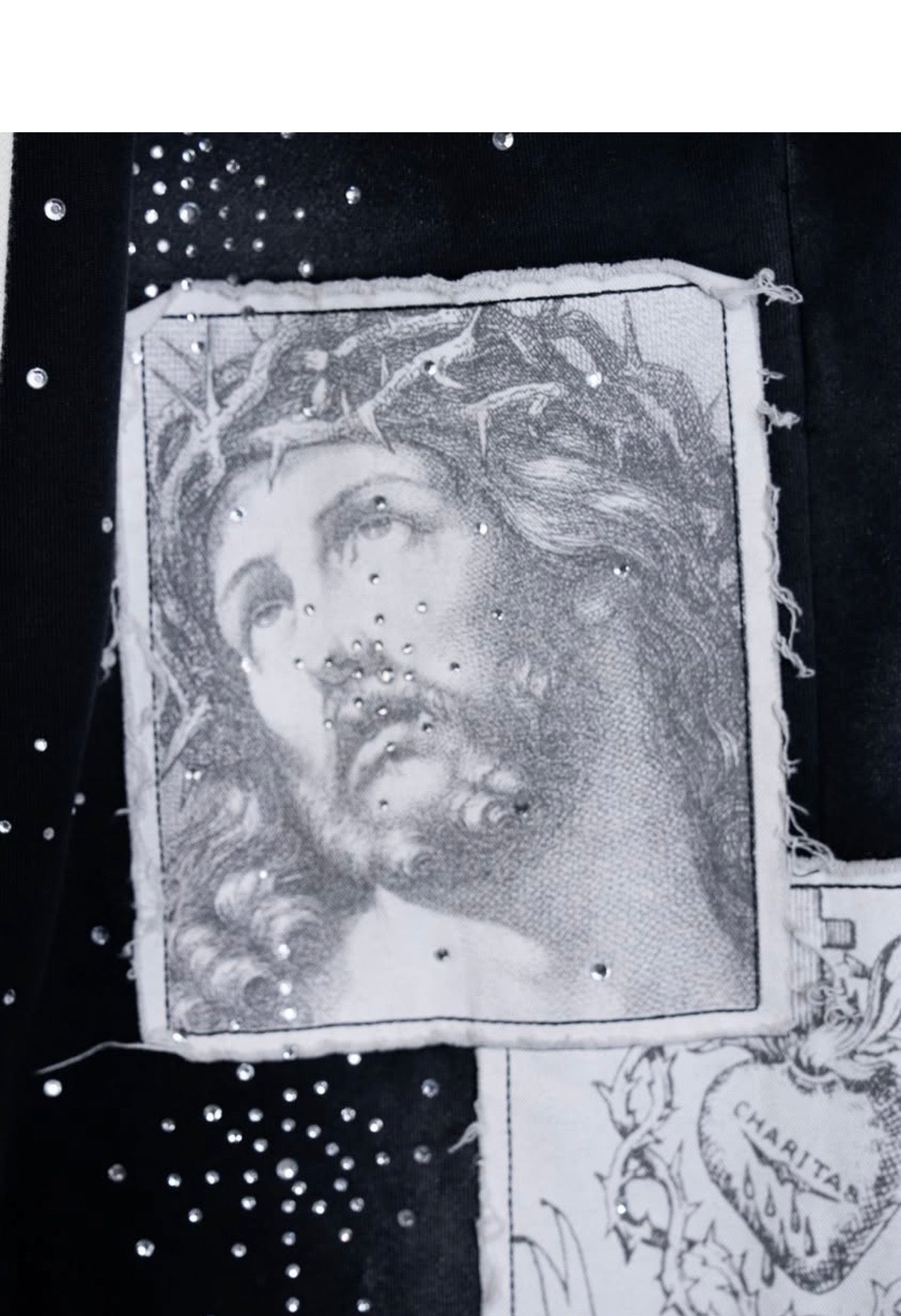
The 2026 Silhouette Shift: Sizing and Fit
In 2026, discussions about fit dominate virtually every streetwear review, and Righteous’s apparel doesn’t escape from that level of examination. The wider shift has moved firmly toward relaxed, boxier fits for hoodies and tees, while bottoms have shifted toward slim-tapered or straight-leg styles rather than the ultra-skinny silhouettes popular a decade ago. Brands that miscalculate this equilibrium — running too tight up top or too loose down below — tend to receive the sharpest criticism in reviews.
For buyers weighing a Righteous hoodie against what’s already in their closet, the same practical guidance applies across the board: confirm the brand’s own sizing notes for each release rather than assuming consistency with unrelated brands, since fabric weight and cut can change quite a bit between drops. This is standard practice across streetwear generally, not a criticism unique to any one label, but it’s worth reiterating because sizing issues continue to be the leading cause of returns industry-wide.
The Brand’s Position Going Into the Rest of 2026
Streetwear’s center of gravity has shifted toward brands that can earn their place beyond looks alone, and that movement plays directly into how We Are Righteous is positioned. The brand isn’t trying to out-hype the logo-driven giants or out-engineer the techwear specialists — it’s constructing itself upon a message-first identity that a measurable and growing portion of buyers are increasingly drawn to. Long-term dominance isn’t guaranteed by this, but it confirms the brand is in step with where consumer sentiment is actually heading rather than where it used to be five years ago.
The next twelve months will likely be a proving ground for whether Righteous clothing can scale that identity-driven approach without losing the authenticity that differentiates it from brands that treat faith or values as a marketing gimmick. Consistency in fit, transparency in reviews, and continued investment in flagship pieces like the hoodie will determine whether the brand becomes a fixture in the identity-driven streetwear conversation or remains a smaller niche player. Based on current trajectory and where 2026 streetwear demand is pointing, the fundamentals are in place for the former.